Blog
Production notes from a creator-owned AI studio — how the work actually gets made.
How does one person finish a full AI series instead of stopping at clips?
Generation was never the hard part - finishing is. The pipeline that gets one person from a script to a dubbed, subtitled, published series - with the cut counts, retake rates, and stage order we actually run.
- Tutorials & tipsProduction Notes #3
How do you dub AI videos so every character keeps the same voice?
Voice drift is the audio version of face drift - and the fix is the same shape - cast once, lock the seed, reuse forever. The voice-casting workflow we run across 40+ dubbed episodes, including the mixing chain that keeps dialogue above the music.
- Tutorials & tipsProduction Notes #1
How do you keep AI characters consistent across scenes?
Prompting the same description every time does not work - faces drift within a single episode. What works is reference-locking - casting sheets, named look variants, and state baking. The method we used across 30+ series and a 288-shot reshoot.
- Tutorials & tipsCreator Economics #1
How do you actually make money from AI videos in 2026?
Ad revenue on AI shorts is near zero, and most creators fall back to courses and commissions. The route that works is selling the work itself - episodic series with paid unlocks, tips, and memberships. Here is the math we verified running 30+ series.
- Production notesProduction Notes #4
Inside a 58-cut AI episode - how one person ships broadcast-density drama
A 2-minute-22-second episode with 58 cuts, one producer, no crew. The full anatomy of a single production - cutsheet, casting sheets, keyframe approval, video passes, dubbing, mix, publish - with the failure counts we logged along the way.
- Tutorials & tipsCreator Economics #2
Where can you publish and sell AI short dramas in 2026?
YouTube pays cents, the big vertical-drama apps do not take outside creators, and a self-hosted site means building payments yourself. An honest comparison of the four routes, including the one we built.
 Tutorials & tipsCost Notes #2
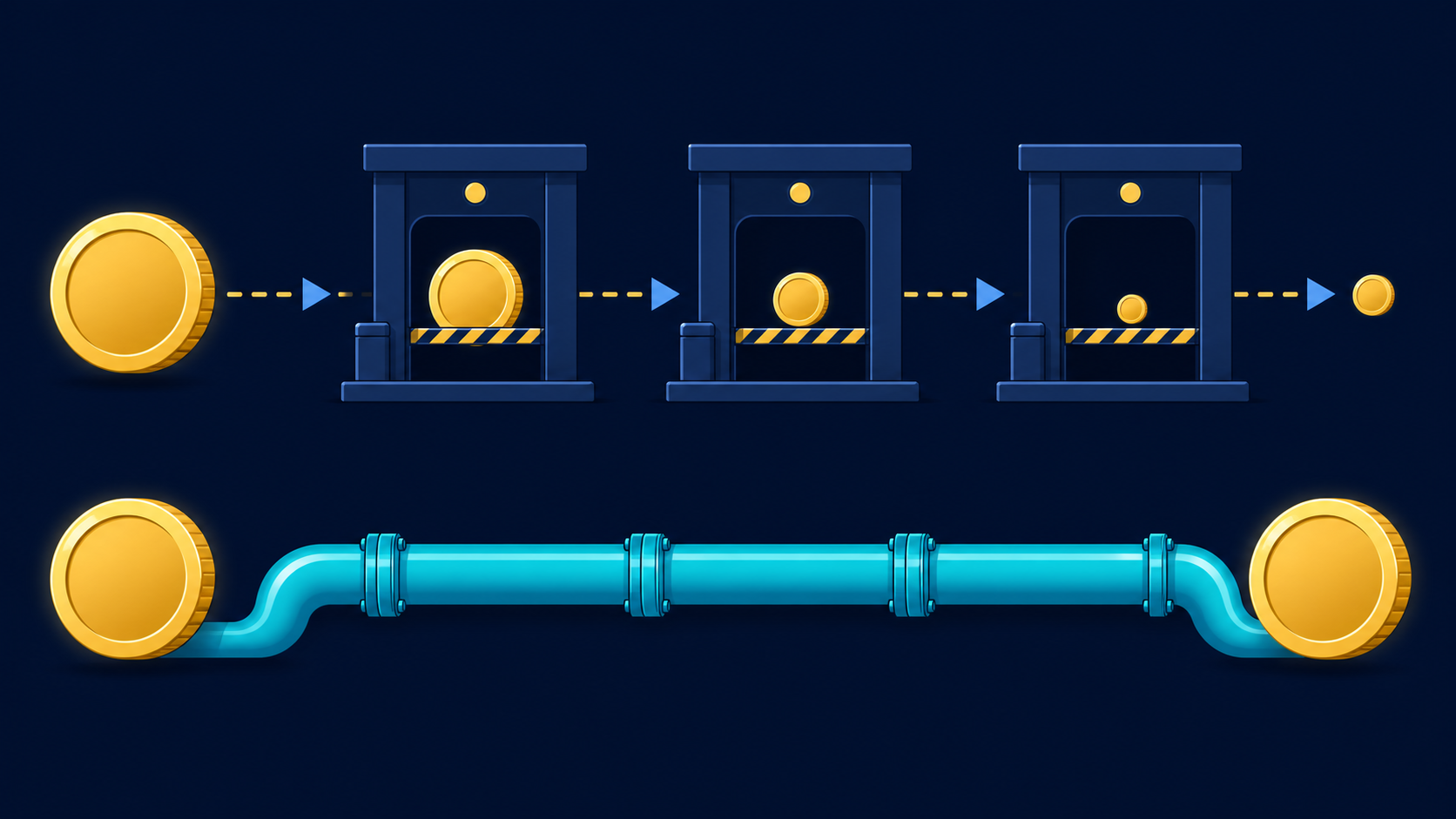
Seedance 2.5 cost per cut — why we sell at the source price
The same 5-second 720p Seedance 2.5 cut priced across the major services' public rate cards — and how owntent credits stay pinned to the lowest number through direct-to-source procurement, actual-usage settlement, and a published margin.
- Tutorials & tipsCost Notes #1
What a single AI video cut actually costs in 2026
We priced the same 5-second, 720p Seedance 2.0 shot across fal, Poyo, EvoLink, Dreamina, and Higgsfield — real rate cards, not marketing pages. Here is where the money actually goes when you produce a full episode.
- Release notesRelease Notes
Release notes — 2026-08-04
What changed in this update: 50 new features and more, all shipped to production.
 Production notesField Notes #2
25–30 cuts per minute: the short-drama editing grammar we measured, then automated
We counted the cuts in hit vertical dramas instead of guessing. The numbers — cut length, hard cuts, dialogue density — became the default editing grammar of our AI pipeline.
 Production notesField Notes #1
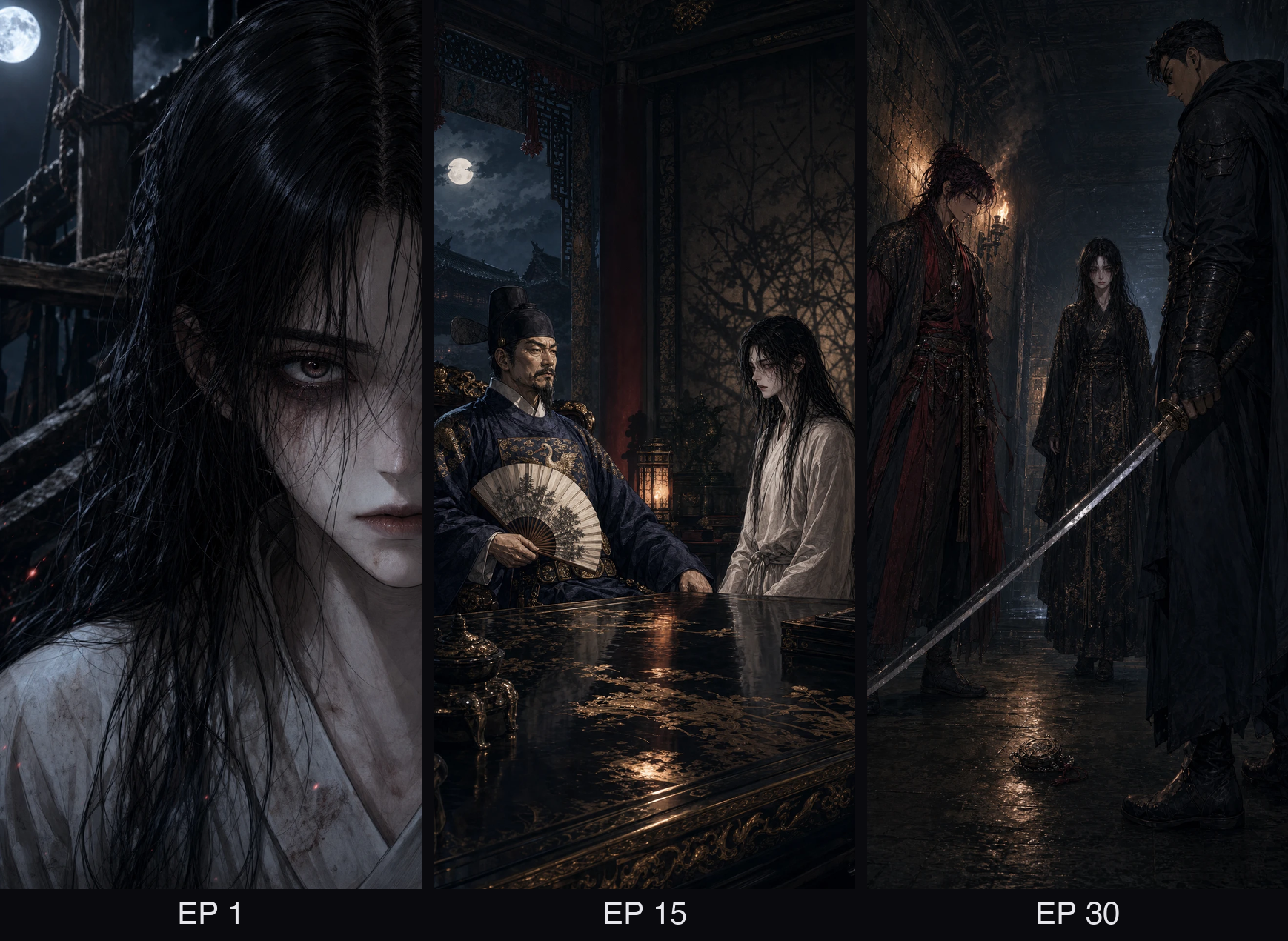
I published a 60-episode webtoon alone, with an AI pipeline
What actually breaks when you try to produce a full webtoon series solo — character consistency, cut grammar, batch rendering — and how a director-led AI pipeline solves each one.